
BLOG: Enhance Data Quality in Product Management with SAP PLM

Enhance Data Quality in Product Management with SAP PLM
by Nolan Reichkitzer I Gramont Consultant | March 2025
In today’s highly regulated markets, the quality of product data has a huge impact on an organization’s success. Accurate, consistent, and accessible data is essential not only for meeting regulatory requirements but also for driving operational efficiency and accelerating innovation. Many organizations struggle with disconnected systems, manual processes, and a lack of data governance, leading to inefficiencies, compliance risks, and delays in product development.
Let’s explore how tools like SAP PLM and SAP MDG can enhance data quality, increase efficiency, and foster innovation.
The Importance of Data Quality
High-quality data is the backbone of product management. It ensures:
• Regulatory Compliance: Accurate data enables adherence to complex and evolving regulations across different markets.
• Operational Efficiency: Consistent and centralized data reduces errors and speeds up decision-making, improving internal processes and time to market.
• Enablement of Innovation: Reliable data provides the foundation for informed decision-making, allowing teams to identify new opportunities for product development and improvement.
Strategies to Improve Data Quality with SAP
1. Centralization of Product Data
A centralized system ensures that all stakeholders have access to a single source of truth, reducing inconsistencies and improving confidence in the data. SAP PLM provides a platform for consolidating data across the entire product lifecycle. This centralization accelerates innovation by making the necessary data available and by enabling cross-functional teams to work together efficiently.
2. Automated Data Validation
Manual data entry is prone to errors and slows down product development. Automating data capture and validation processes minimizes the risk of mistakes. Embedded validation rules within SAP PLM help detect errors early in the process, allowing teams to proceed quickly through the development process.
3. Cross-Functional Collaboration
Data quality is not the responsibility of just one department; it requires collaboration between R&D, supply chain, regulatory, and safety. SAP PLM enables cross-functional collaboration by providing workflows that streamline communication and data sharing across teams. These workflows ensure that all relevant stakeholders have access to up-to-date and accurate product data, helping each department complete their tasks quickly.
4. Governance and Ownership
Clear ownership of data governance ensures that each department is accountable for the quality of the data they manage. SAP MDG provides tools for governing master data and aligning it across systems, making it easier for teams to collaborate and adapt to market changes.
5. Change Control
Effective change control is crucial for maintaining data integrity and ensuring that all modifications to product data are properly managed. SAP PLM provides change control processes that help track and manage changes across the product lifecycle. These processes ensure that any updates to product data are reviewed, approved, and documented before implementation. By maintaining a clear record of changes, SAP PLM minimizes the risk of errors and improves traceability.
Conclusion
Improving data quality is not just about ensuring compliance; it’s about driving efficiency, fostering innovation, and accelerating time to market. By adopting integrated solutions like SAP PLM and MDG, organizations can ensure their data is accurate, consistent, and ready to support product development. Investing in high-quality data practices today allows businesses to streamline operations, reduce risk, and deliver products ahead of the competition.
Elevate your product management practices with SAP PLM and MDG to ensure accurate, consistent, and accessible data. Gramont’s expertise can help your organization implement tailored solutions for better data governance and efficiency.
Contact us today to discover how we can transform your data management strategy.

Regionalized compliance and labeling requirements are increasing globally, and your PLM system needs to be equipped to adapt without operational bottlenecks or compliance risk.

Applying maintenance reliability principles can help organizations drive efficiency, foster innovation, and better meet customer needs.

Accurate, consistent, and accessible data is essential for meeting regulatory requirements and driving operational efficiency and innovation.


Watch the Recording: Ankit Aggarwal on SAP IPD Insights – PLM Dashboards at Your Convenience


Vinay Pawate, Senior Consultant MDG CoE on Why You Need To Safeguard Your Data To Prevent Loss


Vivek Joshi, Gramont Change Manager on Unleashing Organizational Change Management for Business Growth


Join GRAMONT and connect with us in person at the SAP PLM Info Days on September 13–15, 2023 - Hershey Lodge, Hershey, Pennsylvania

With unwavering dedication, our Miskolc and North America teams performed a cutover for one of our valued customers over the 4th of July Weekend…
We are continuously working to harmonize policies across locations, ensuring consistent adherence to industry best practices

Learn how GRAMONT solutions LabelNow and Polaris are revolutionizing the way our customers are operating
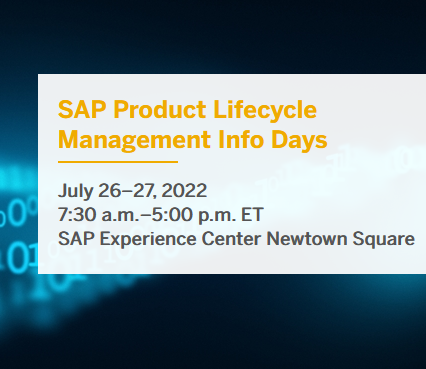
Join GRAMONT and connect with us in person at the SAP PLM Info Days on July 26–27, 2022 - SAP Experience Center Newtown Square, Philadelphia

Come and join us virtually on May 12th and hear Gramont’s clients Klosterfrau, Agrana and Nestlé talk about innovative cloud solutions and projects


Get connected and influence Life Science software development by joing the GRAMONT Polaris customer influence group

Nutri-Score, Eco-Score and UK Traffic Light nutritional rating systems are now available directly within SAP PLM.


Gramont GmbH announced today that its LabelNow solution is now an SAP endorsed app, available for free trial on SAP® App Center.
